Oral health is an essential aspect of overall well-being, and gum disease remains a prevalent issue affecting millions of people worldwide. Traditionally, treating gum disease involved invasive procedures, causing discomfort and longer recovery times. However, with advancements in dentistry, a groundbreaking treatment called LANAP (Laser-Assisted New Attachment Procedure) has emerged as a more efficient, minimally […]
NightLase: A Revolutionary Solution for Snoring Relief In today’s fast-paced world, a good night’s sleep is more important than ever. However, for many individuals, snoring can disrupt their sleep and affect their quality of life. Traditional treatment options often involve invasive procedures or cumbersome devices, leading to discomfort and inconvenience. Fortunately, a revolutionary non-invasive solution […]
Laser Lip Depigmentation Dentistry’s Precise Smile Enhancement Dentistry has introduced innovative procedures to improve our smiles, including laser lip depigmentation dark lip treatment. This technique targets lip pigmentation issues, providing a more vibrant and balanced smile. In this blog post, we’ll explore the process of laser lip depigmentation performed by dentists, its benefits, and potential […]
CAN VENEERS FIX CROOKED TEETH? Yes, veneers can fix crooked teeth, they can make your teeth look straight because the teeth can be reduced to be in line with the other teeth or make the veneer thicker to make the tooth look aligned. If you have crooked or gapped teeth there are several […]
CAN VENEERS BREAK? Yes, if you are able to break your own tooth, and teeth are made of the strongest material in our bodies, you can break a veneer. Veneers can break if you bite into something really hard for example edge of a fork, sunflower seeds or crab legs. CAN VENEERS BREAK? […]
CAN VENEERS FIX OVERBITE? This is a difficult problem to fix with veneers, because veneers make your teeth bigger and since an overbite is when your upper teeth cover to much of your lower it would worsen the problem. The better treatments for an overbite is usually braces such as Invisalgn. The other option would […]
CAN PORCELAIN VENEERS FALL OFF? Yes, veneers can fall off. They can fall off for several reasons either the tooth opposites the veneer is hitting to hard this usually happen in the beginning after placing the veneers. It can happen later which may be due to the fact your teeth had shifted over time. The […]
CAN PORCELAIN VENEERS BE REMOVED? Veneers can be removed by shaving them off which is the same process as when you initially had them done. If the teeth were shaved down underneath then something needs to be replace the veneers that were removed with a new veneer, composite bonding or a crown. You would need to […]
CAN PORCELAIN VENEERS BE WHITENED? Porcelain Veneers don’t change color like natural teeth or composite filling. You should think of the material which veneers are made of like an expensive fine china plate or coffee cup in essence it is the same material so therefore they can’t be stained or whitened. So when choosing a color […]
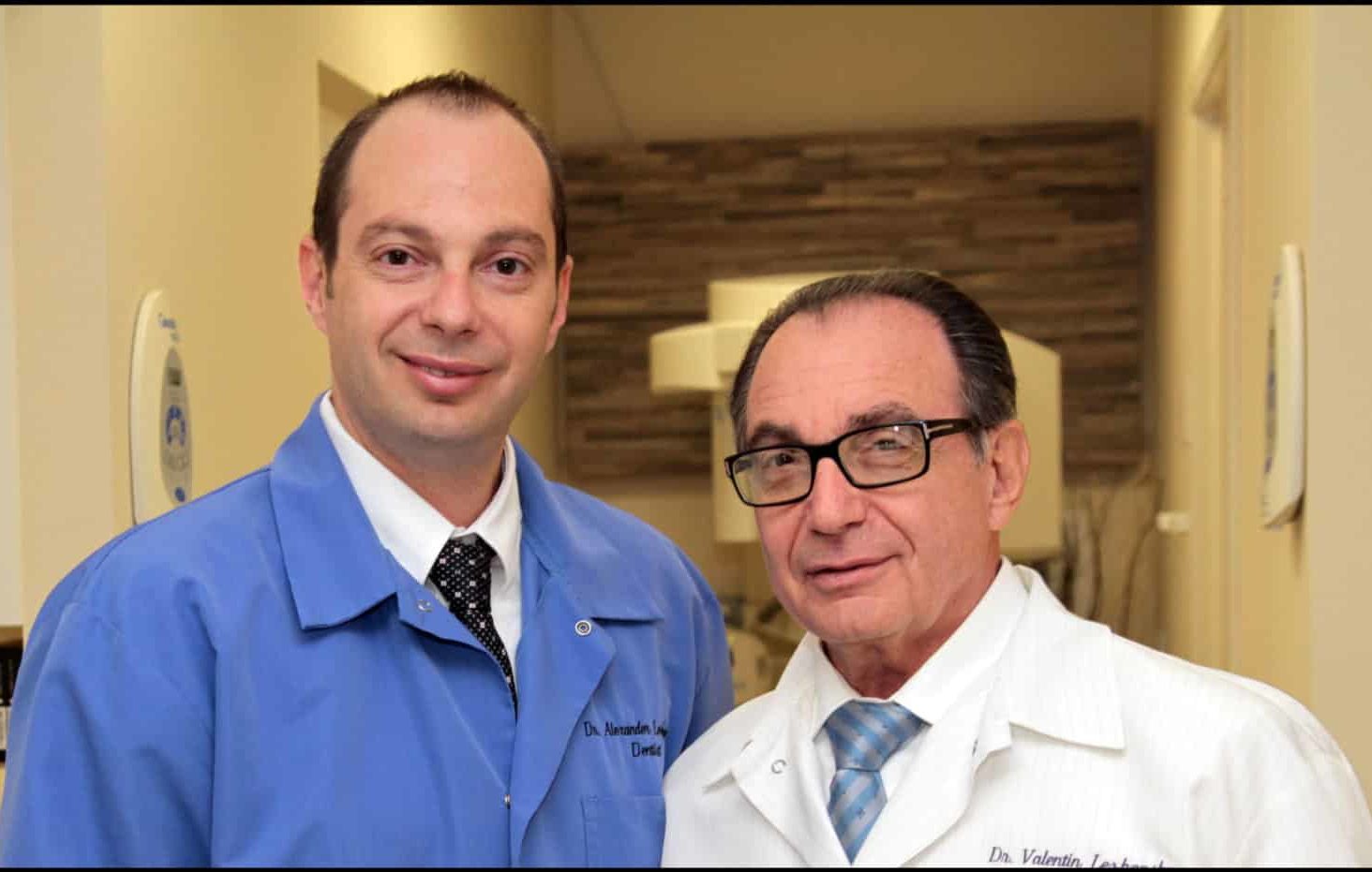
Many People struggle with a lack of confidence because of an unattractive smile as a cosmetic dentist I will give you the smile of your dream and restore your confidence. DR ALEXANDER LEZHANSKY DDS ANSWERS QUESTION THAT MANY PATIENT ASK ABOUT PERMANENT PORCELAIN VENEERS Q AND A CAN PORCELAIN VENEERS BE WHITENED? Porcelain Veneers don’t […]